UK Docks signs landmark deal with Bangladesh Navy to regenerate former Royal Navy ship HMS Enterprise

UK Docks Marine Services has signed a major contract with the Bangladesh Navy to help restore and regenerate the Asian country’s newest purchase, the former HMS Enterprise.

The former HMS Enterprise - from her days on active service for the Royal Navy

The first-of-its-kind contract for the company will expand UK Dock's’ international footprint and global reach and see the decommissioned vessel, currently in Portsmouth, towed to Teesside later this month.

Once in dry dock in the North East, it will be brought back to operational readiness over the course of 2026.

UK Docks managing director Jonathan Wilson, said: “This is the first time we’ve worked on a vessel for a navy beyond the UK.

“It’s a completely new development for UK Docks and one we’re looking forward to delivering on.

“It opens up a lot of possibilities for the company.”

UK Docks’ senior management team flew to Bangladesh to sign the former HMS Enterprise Regeneration Contract in Dhaka, alongside the two most senior and high-profile officers in the Bangladesh Navy.

Bangladesh Rear Admiral Md. Safiquer Rahman, assistant chief of Naval Staff (Logistics) signs the landmark agreement with UK Docks MD, Jonathan Wilson.

The multi-million-pound agreement will see initial work on the former HMS Enterprise taking place at a UK Docks’ Teesside facility, which has recently expanded from two to four dry docks.

Jonathan said: “The fact that this is a capital project for the newly-formed Bangladesh Government and that it was signed by the equivalent of the first and second Sea Lords of the British Admiralty, shows its importance to Bangladesh and significance to us.

“Without doubt, it’s one of the biggest moments in UK Docks’ history, stretching back over 30 years of increasing growth.”

Bangladesh Rear Admiral Md. Safiquer Rahman, assistant chief of Naval Staff (Logistics) signs off the landmark agreement with UK Docks MD, Jonathan Wilson.

The contract will see the vessel towed from Portsmouth to Teesside, so work can begin on bringing her back into service. UK Docks’ task will be aided by the fact that the company has previously serviced and maintained HMS Enterprise and her sister ship, HMS Echo, whilst they were in service with the Royal Navy.

UK Docks plans to employ three permanent staff dedicated to programme oversight, working with three major original equipment manufacturers in Norway.

In addition, there will be 20 new, fixed-term contracts for specialists drawn from across the ship repair and maritime engineering sectors. This combined approach will ensure both capability and capacity to deliver the regeneration programme to the highest operational and strategic standards. 

Jonathan reflected: “We were among a number of contractors tendering for the work, and I think the fact that we had worked on the vessel over many years and had an excellent track record on it certainly went in our favour.

“There were a lot of discussions over quite a few months but it was clear that the Bangladesh Navy was really keen for us to take on the work, and that helped us reach an agreement pretty quickly in the end.”

Bangladesh's Rear Admiral Mohammad Musa, assistant chief of naval staff, UK Royal Navy defence attache, Commander Lee Norton, Admiral M Nazmul Hassan, chief of naval staff, meet UK Docks' directors.

The work on the former HMS Enterprise represents a comprehensive modernisation effort by the new owners.

The programme will be fully managed and delivered from Teesside - reinforcing the port’s position as a world‑class centre for maritime engineering and ship repair.

The upgrades include, but are not limited to:

  • Retrofitting advanced propulsion systems from Brunvoll AS, delivering enhanced manoeuvrability, improved efficiency, and operational reliability.

  • Integration of cutting‑edge hydrographic and maritime technologies from Kongsberg Maritime, strengthening the vessel’s world‑class survey and data‑gathering capability.

  • Extensive auxiliary and ancillary maintenance across essential onboard systems to ensure long‑term resilience, safety, and mission readiness.

Once work is complete, the 90.5m long, 3,740-tonne vessel will significantly enhance the Bangladesh Navy’s operational capabilities, supporting hydrographic operations, maritime security, and broader sovereign objectives.

For UK Docks, this will continue the relationship with the vessel that began in 2018, when a £150m contract to service and maintain HMS Enterprise, HMS Echo, and HMS Protector was signed.

Launched in 2002 and commissioned by the Royal Navy in 2003, HMS Enterprise was known for its distinguished service in survey operations, humanitarian support, and disaster‑response missions worldwide.

Decommissioned by the Royal Navy in March 2023, the former HMS Enterprise was officially sold to the Bangladesh Navy last month, a move that will boost Bangladesh’s maritime security and regional stability efforts.
UK Docks Marine Services wins £84m contract to service almost 200 Royal Navy boats

UK Docks Marine Services has won contracts worth more than £80m to service and maintain 194 Royal Navy and Royal Fleet Auxiliary vessels, Vahana workboats and Ministry of Defence police craft - all to be managed from its offices in Victoria Quay, Gosport.

Against fierce competition, the company won three of the nine lots offered in the Defence Equipment and Support (DE&S) Boats In Service Support Contract 2026, with all three contracts due to run until 2033

The majority of the work will be carried out at UK Docks' Gosport facilities, although some will take place at UK Docks’ boatyard along the coast at UK Docks Mashfords' in Cremyll, Cornwall.

UK Docks managing director, Jonathan Wilson, said: “It is fantastic news for the company and our staff, who have been building a reputation for successfully servicing Ministry of Defence contracts for a number of years now.

“All three contracts are related to specific classes of MoD boats with specific end users and will provide a sustained demand for our workforce for at least five years, possibly seven. 

“They will safeguard existing jobs, create new ones, and ensure an important part of the defence sector benefits UK businesses and organisations.”

From this April, the company will take responsibility for the smooth running of the Pac 22 and 24 fleets, as well as passenger transfer boats fitted to Royal Navy aircraft carriers.

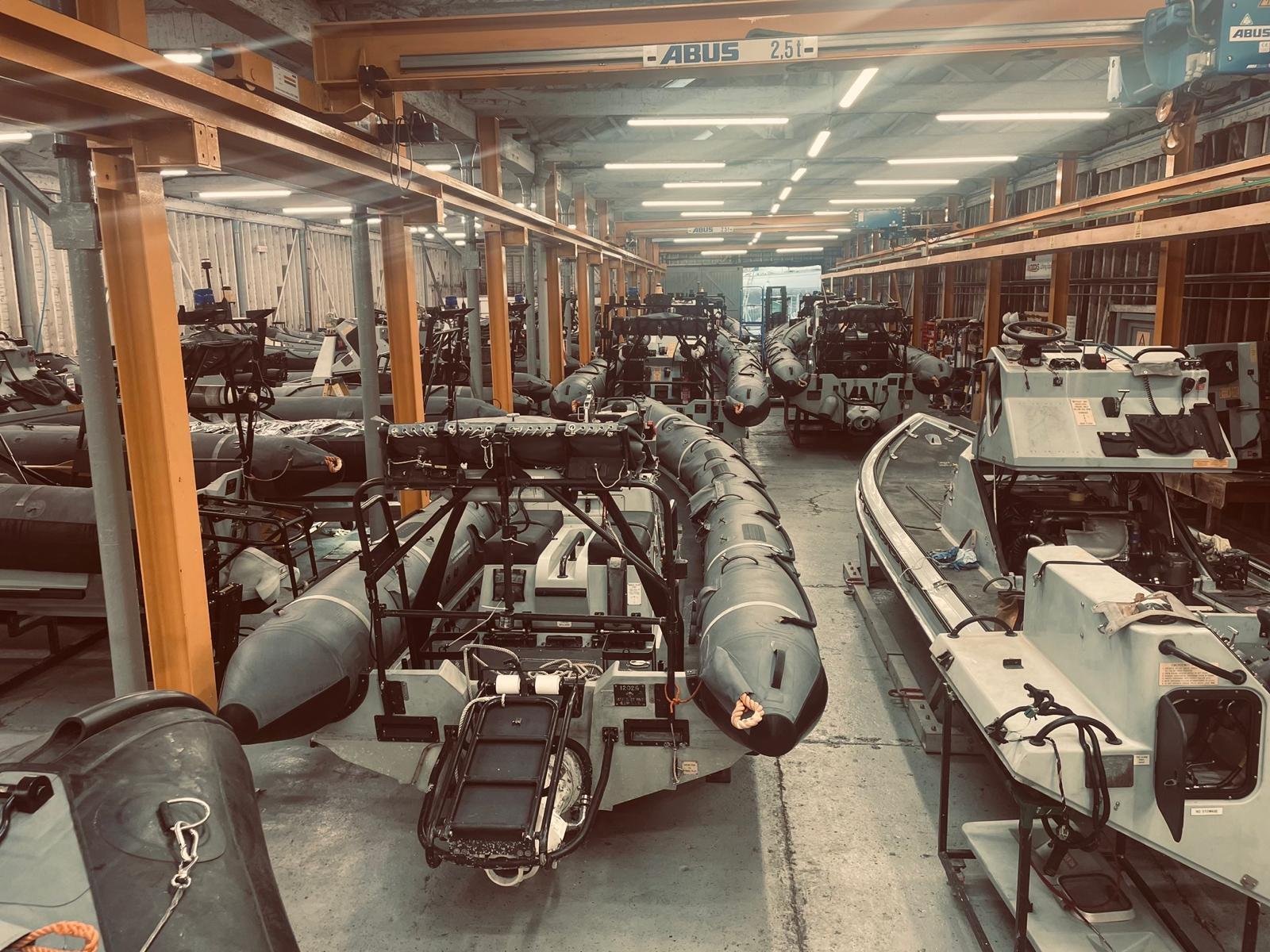
The Pac 24 Rigid inflatable boats are workhorse vessels capable of policing, patrolling, interception and boarding and can be deployed from various Royal Navy and Royal Fleet Auxiliary platforms, which will be supported globally from Gosport.

Pac 24 vessels being worked on in UK Docks' Gosport facility.

The 109 boats in total are part framework agreement running up to 2033.

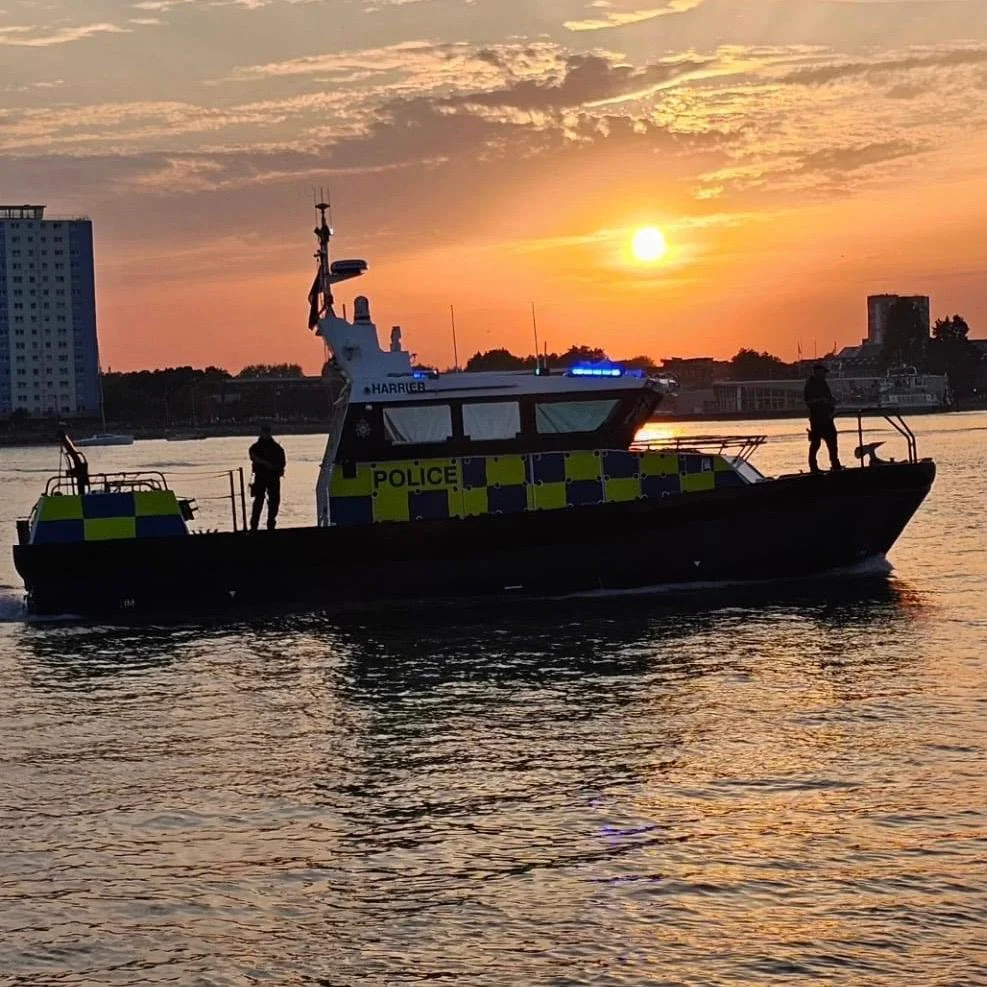
The second lot sees UK Docks servicing and maintaining MoD police boats that protect the assets and infrastructure around the UK’s three major naval bases and will also run for seven years.

The vessels are the Police Patrol Craft, Island Class, and Intercept and Escort Craft, as well as other specialist craft, for a total of 49 boats.

An Island Class MoD police boat, one of 49 UK Docks will be servicing and maintaining from April 2026

Again, the vast majority of the work will be carried out at UK Docks’ facilities, in Gosport and Cremyll, both of which are opposite the two southern Naval Bases – HMNB Portsmouth and Plymouth. 

At HMNB Clyde, UK Docks will continue its longstanding relationship with Holyhead Marine and a select number of other specialists to provide support in the area.

The third and final contract is to service and maintain the Ministry of Defence’s workboat fleet across the UK and overseas, ensuring the optimum availability, performance and safety of the SEA Class vessels recently introduced into service at MoD sites across the UK.

A Royal Navy Vahana workboat, one of many that will be serviced and maintained by UK Docks.

The Workboat fleet provides Royal Navy training, dive support, and minehunting capabilities for the Ministry of Defence, and UK Docks has held the contract for the past two years.

A total of 36 boats, used at centres such as Britannia Royal Naval College and RN Dive Support Units, will be covered until 2033.

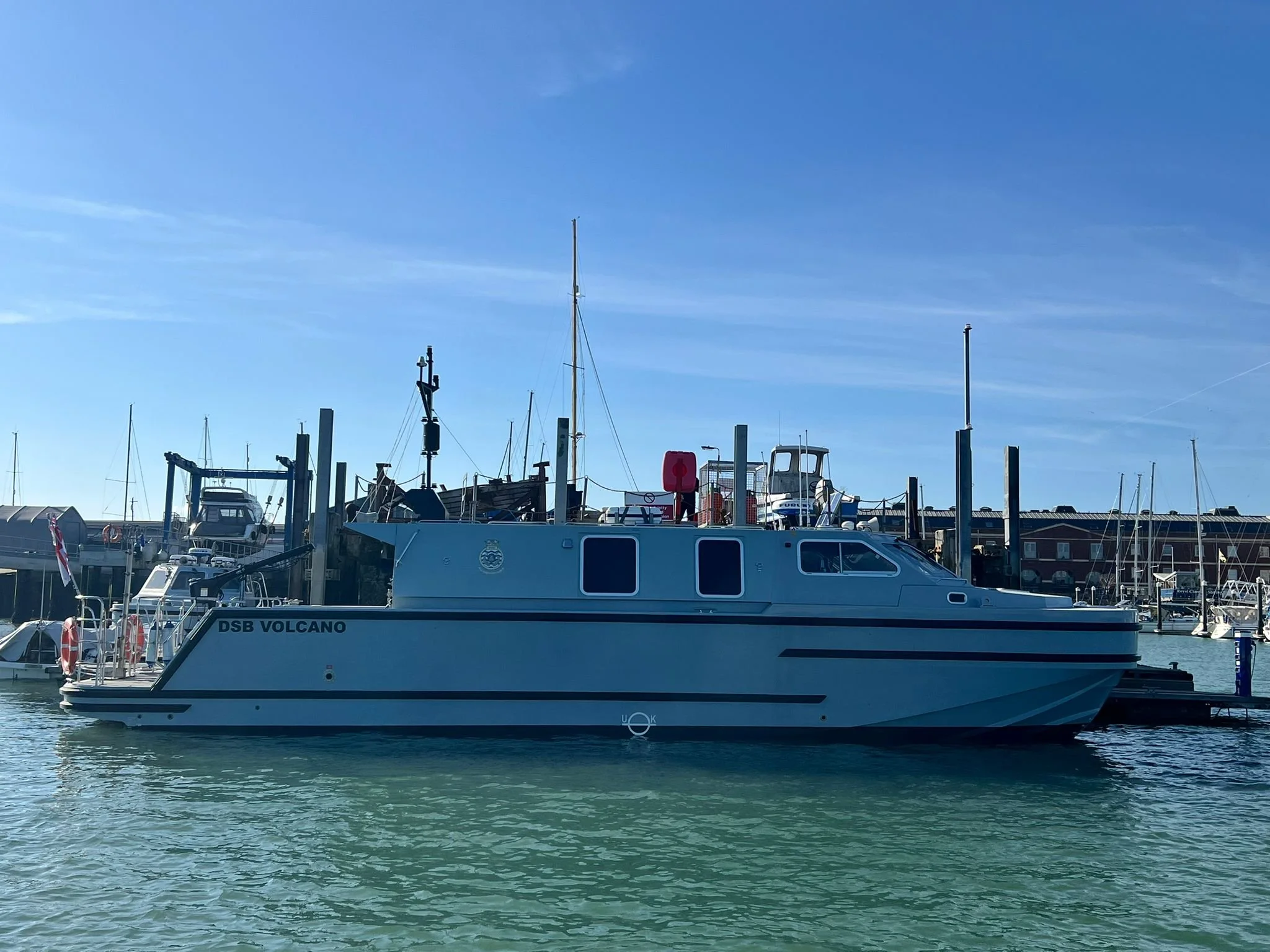
Dive Support Boat Volcano is one of the many vessels being looked after by UK Docks after new contract agreements with the Royal Navy.

The lengthy contract awards are set to benefit businesses and communities mainly on the south coast at Gosport and Plymouth, as well as in the North East, where UK Docks has its headquarters.

They will directly safeguard 42 full-time jobs and create 18 more jobs both in management and in the general workforce  

The news comes at the end of a lengthy tendering period during which the Ministry of Defence sought to secure the best possible provider to service and maintain key sections of its fleet of boats.

Jonathan added: “It was a testing and demanding process but it was worth it and congratulations to all involved.

“We’re very proud to be part of a marine industry that has shown that the necessary skills and expertise can be provided by a British company and  British workforce, and we’re looking forward to delivering the highest standards of service and maintenance.”

UK Docks will project-manage the full support cycle across all contracts, including maintenance, repairs, upgrades, spares, obsolescence, and configuration control, to maximise vessel availability and ensure the navy can carry out its duties without disruption to its boats. 

The new contract caps a positive period of growth for UK Docks, which is reopening two docks on Teesside alongside the two it currently operates, has acquired a five-acre, 82,000 square foot riverside expansion at its South Shields HQ and continues a key partnership with Norwegian company Brunvoll to supply the first thruster equipment to the Government’s Fleet Solid Support contract being delivered by Navantia UK.

UK Docks celebrates young talent in National Apprenticeship Week

THE chance to throw the spotlight on young apprentices during National Apprenticeshp Week was welcomed by UK Docks, which has invested in young marine workers the length and breadth of the country.

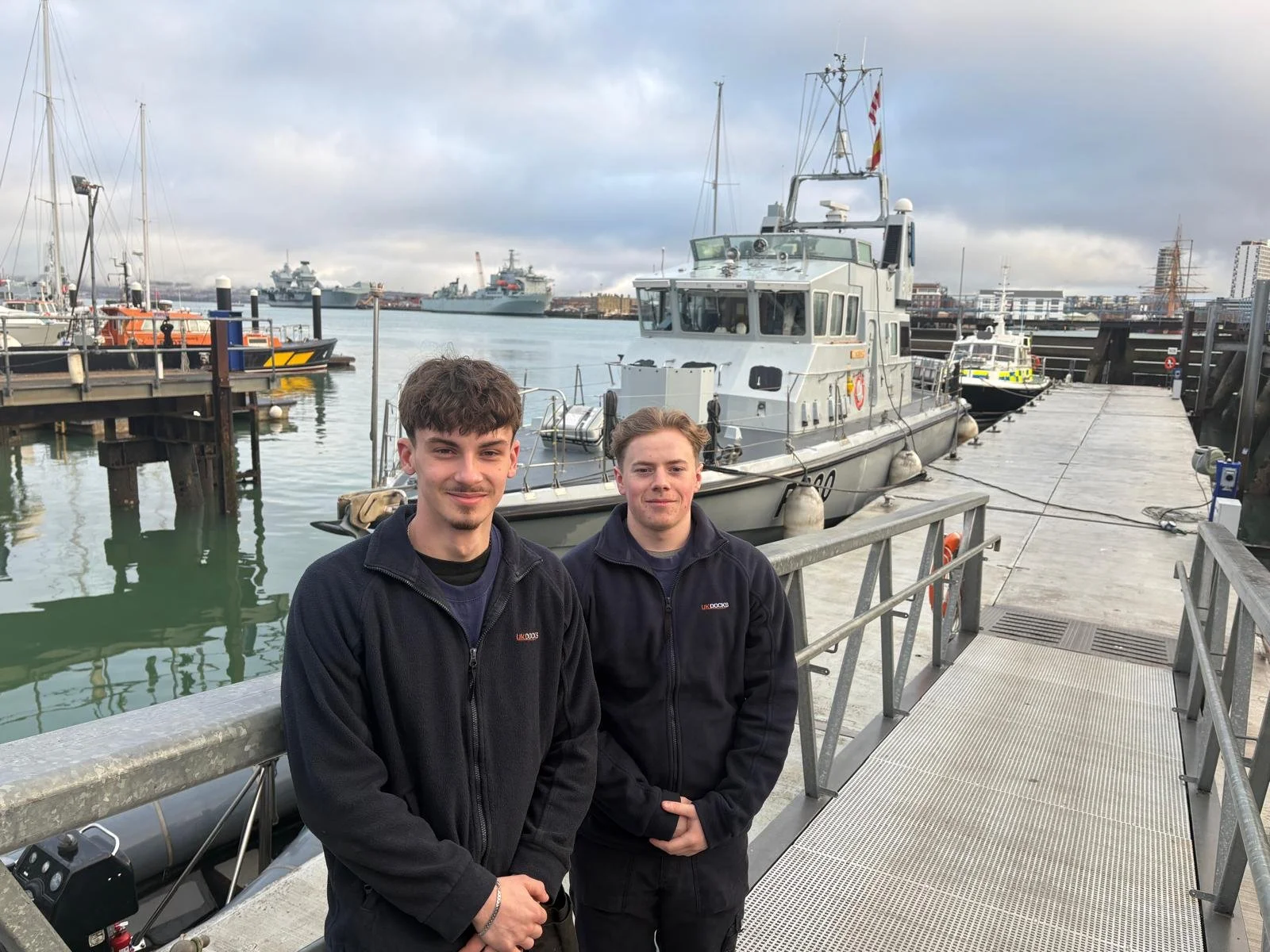
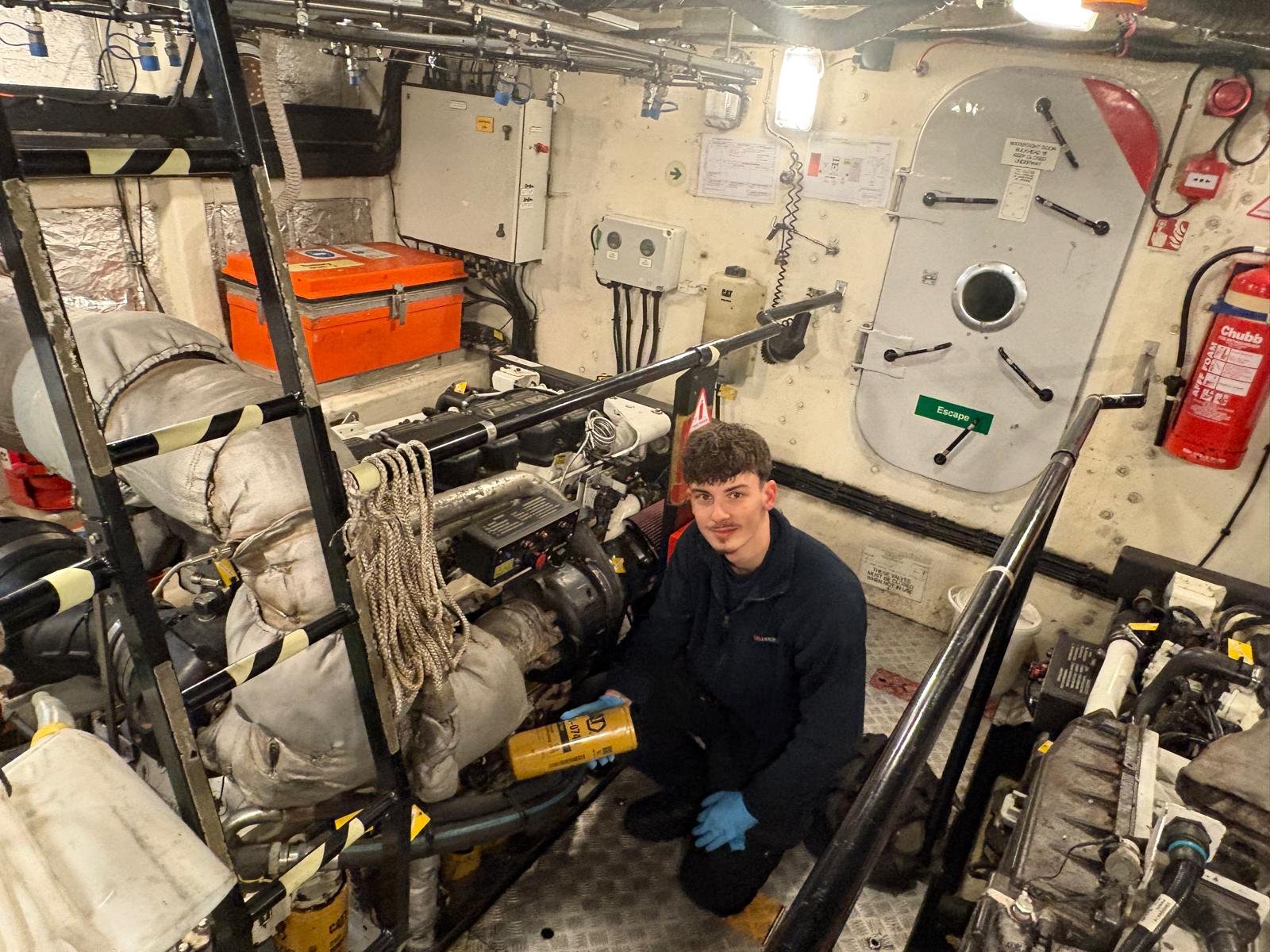
In Gosport, we have marine engineer apprentices Finlay Smith (left), currently in Year 2 of his apprenticeship and Charlie Shepherd in Year 1.

At our headquarters in South Shields, Michael Wright, in his fourth year as a maintenance technician, works alongside first-year maintenance technician Sonny Walton (wearing glasses).

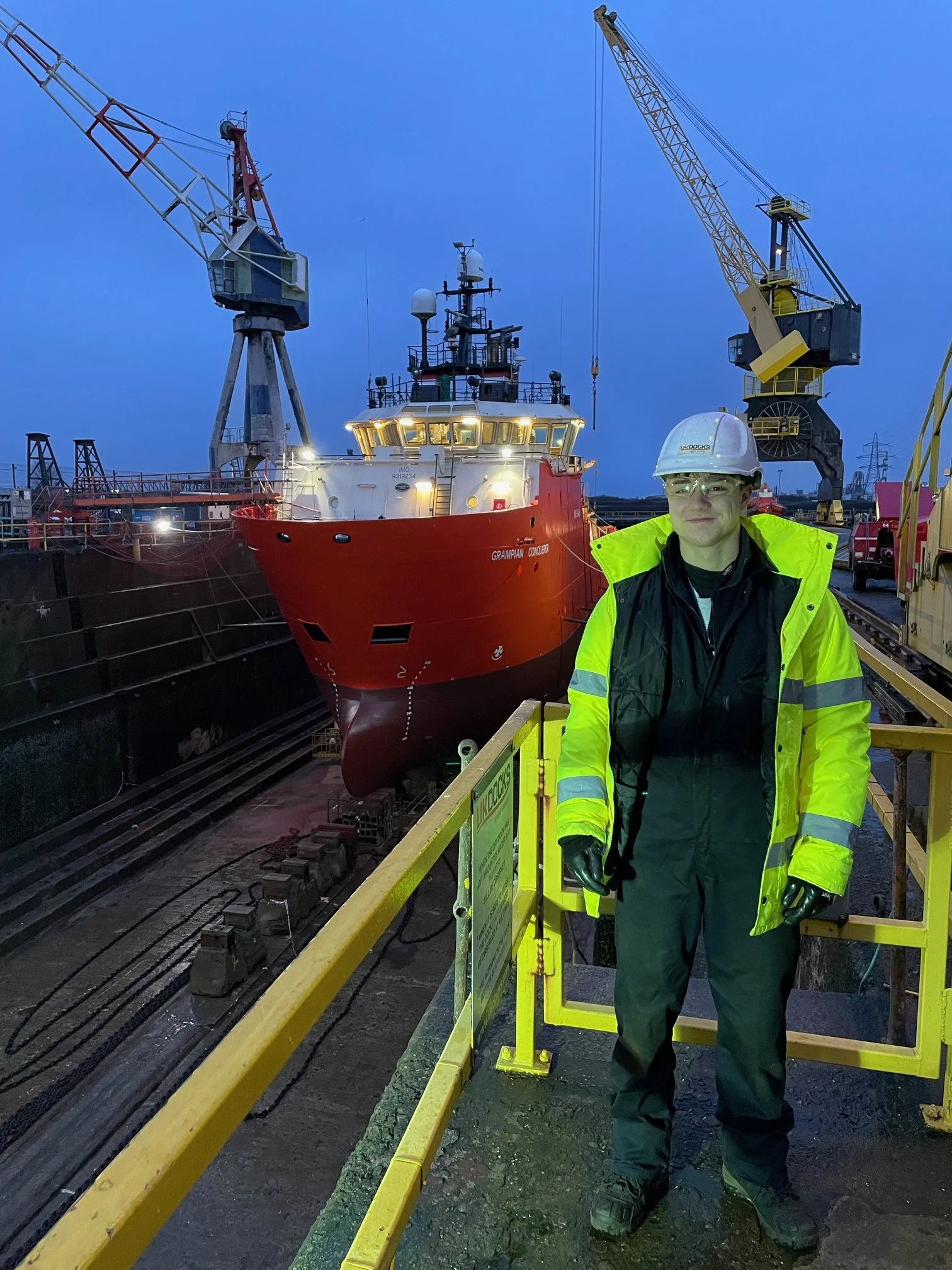
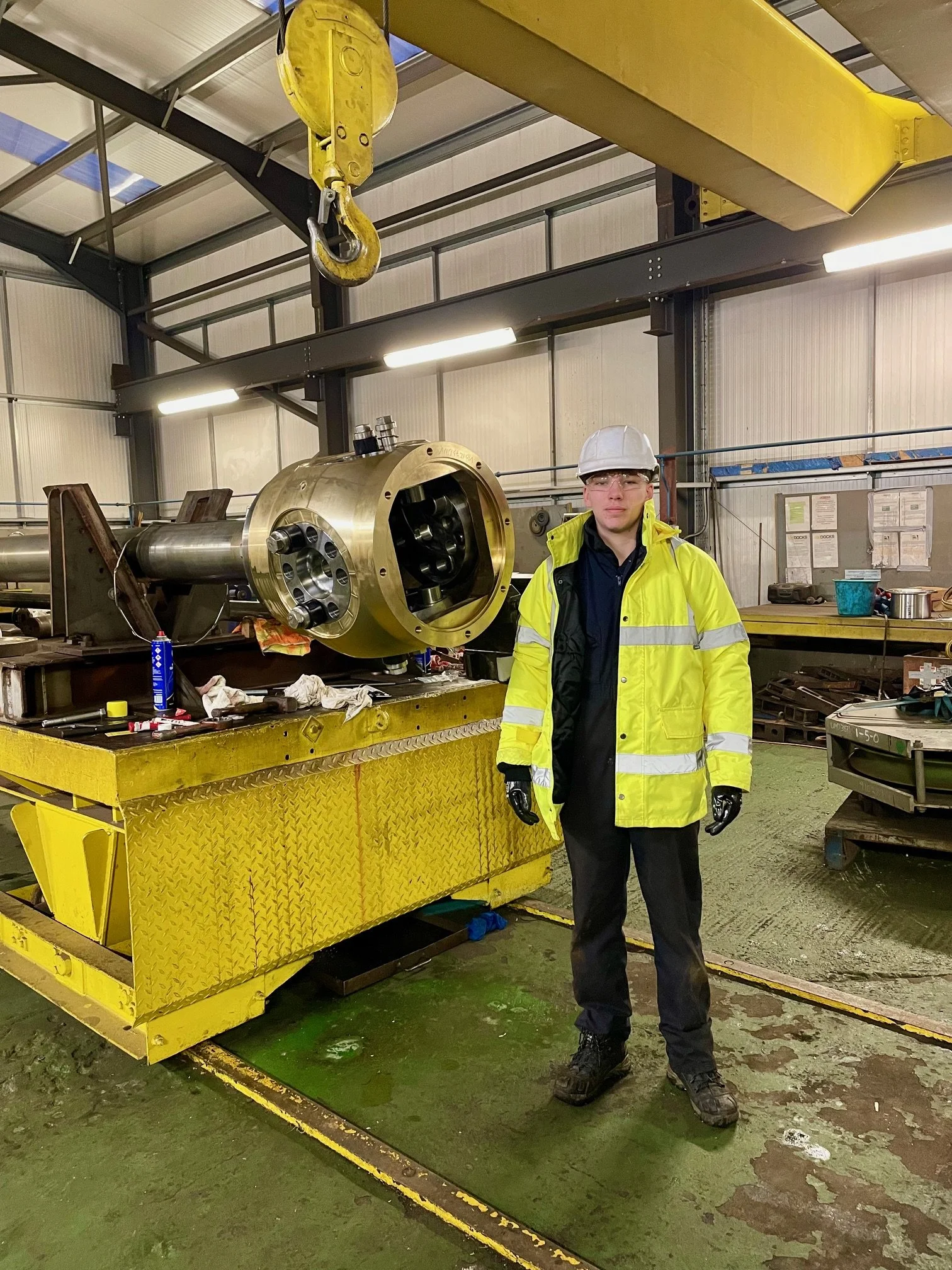
Fellow apprentices Ewan Wilson, a third-year maintenance technician and Lewis Illingworth, second-year maintenance technician, are usually based in South Shields but both have been working in the dockyards at UK Docks’ Teesside facility to gain hands-on experience of shipes handled there.

Ewan is pictured here in the dockyard, Lewis in the workshop.


In addition, Nick Elliott is a mature apprentice, Level 7, and Chief Financial Officer, John Armstrong, is looking to bring a trainee into finance.

In this way, a steady stream of apprentices (in an industry which can struggle from skill shortages), are regularly been trained up and moved through the business.

This consistent approach has underpinned UK Docks’ steady growth for many years and is an important part of its planning strategy.

UK Docks’ managing director, Jonathan Wilson, said: “As a family-owned business, apprenticeships is something we genuinely care about.

“The marine industry depends on skilled, practical people — not just today, but for generations to come. “Apprenticeships are one of the most important ways we protect that future.

“They bring fresh thinking, new energy, and a real hunger to learn, while allowing hard-won experience to be passed on properly, on the job.

“At UK Docks, apprentices are part of who we are.

“We invest in people from the very start of their careers and give them the chance to grow, progress, and build long-term futures within the marine sector - many of our most experienced team members started exactly that way.

“Supporting apprentices means supporting the strength, resilience, and sustainability of the UK marine industry as a whole. During National Apprenticeship Week - but also during every week - we’re proud to play our part.”

At Gosport, UK Docks South has Finlay and Charlie doing their apprenticeships through Southampton City College, with another apprentice due to join them in September.

Both are gaining great experience in the workplace and have been rotating their work to gain experience on all the different type of vessels the compnay maintains.

UK Docks South also takes Apprentices from the local college, CEMAST, (Centre of Excellence in Engineering, Manufacturing and Advanced Skills Training).

The company takes marine engineers who are looking to do 50 hours work experience as part of their course.

Currently, there are 10 of these apprentices coming through; to gain the knowledge they need and enable them to complete their course.

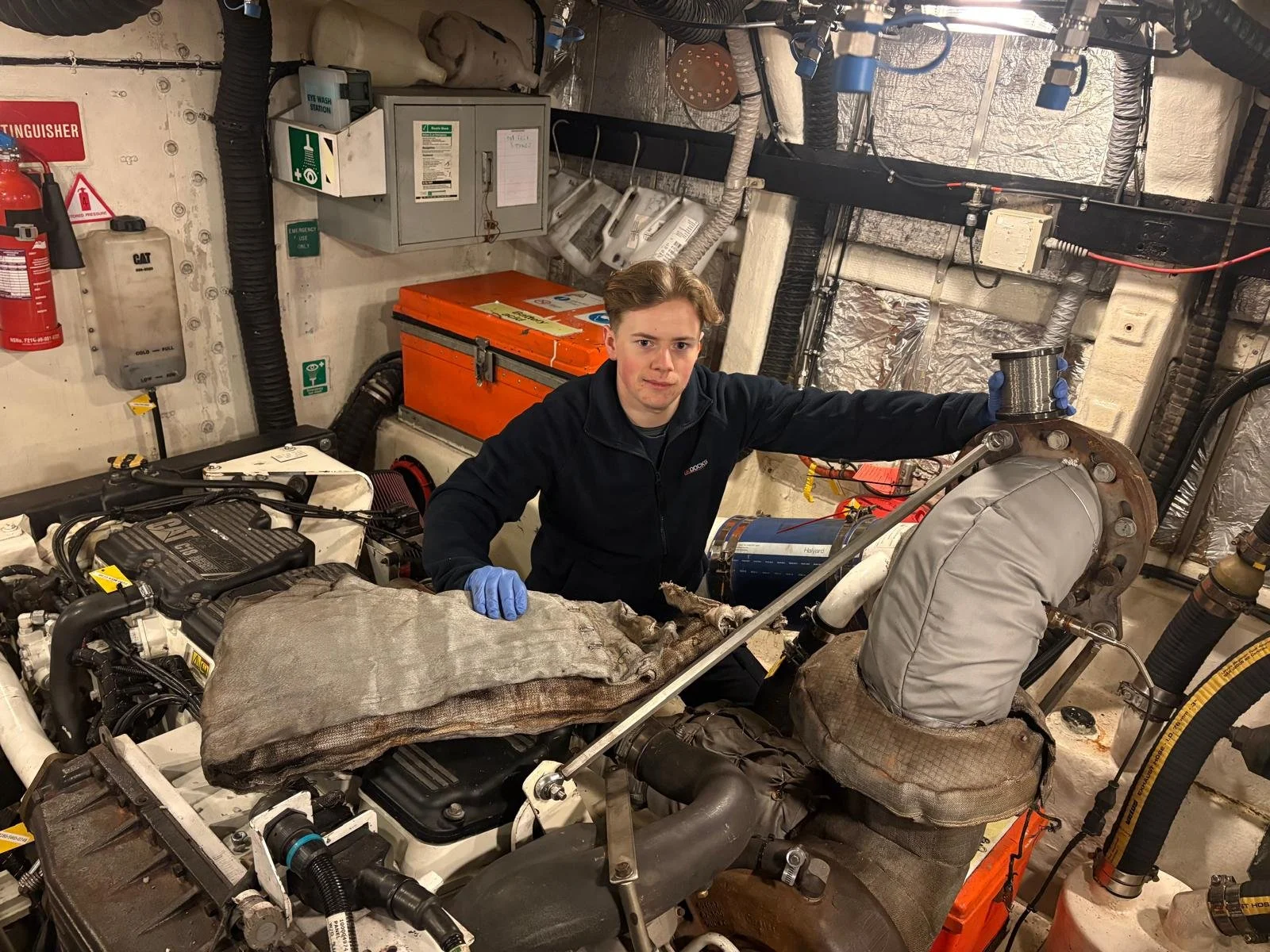
Finlay Smith. assisting with a service on a C18 Caterpillar Main Engine on HMS Dasher

Charlie Barley, director at UK Docks South said: “We find this rewarding in that we are helping these young apprentices in our local area gain their qualification.”

He added: “UK Docks South employs around 40 employees and, in turn, employs many marine trades and local sub-contractors, thereby locally supporting dozens of businesses in the local area.

“We are based in Gosport, and opposite the main Naval Port (Portsmouth) where the local area also has thousands of leisure and commercial boats served by its many marinas.

“We understand that in a marine industry area which employs thousands of people and which has a skills shortage in all trades - whether it be marine engineers, marine electricians, shipwrights, carpenters, fabricators, laminators etc - new workers are vital.

“That’s one of the reasons why the company has made a steady stream of apprentices a priority for many years.”

Charlie Shepherd changing a lagging pad on the exhaust of a P2000 (HMS Dasher). The vessel visited UK Docks to undertake her annual Refit Package

UK Docks' Teesside team praised by HMS Protector's Captain Weaver

WARM words were left ringing in the ears of UK Docks workers on Teesside when HMS Protector departed last month after a lengthy stay.

The Royal Navy’s specialist icebreaker entered dry dock in May last year for extensive works, including upgrades during its five-year refit, leaving dry dock in August to moor alongside for final works ahead of its December departure.

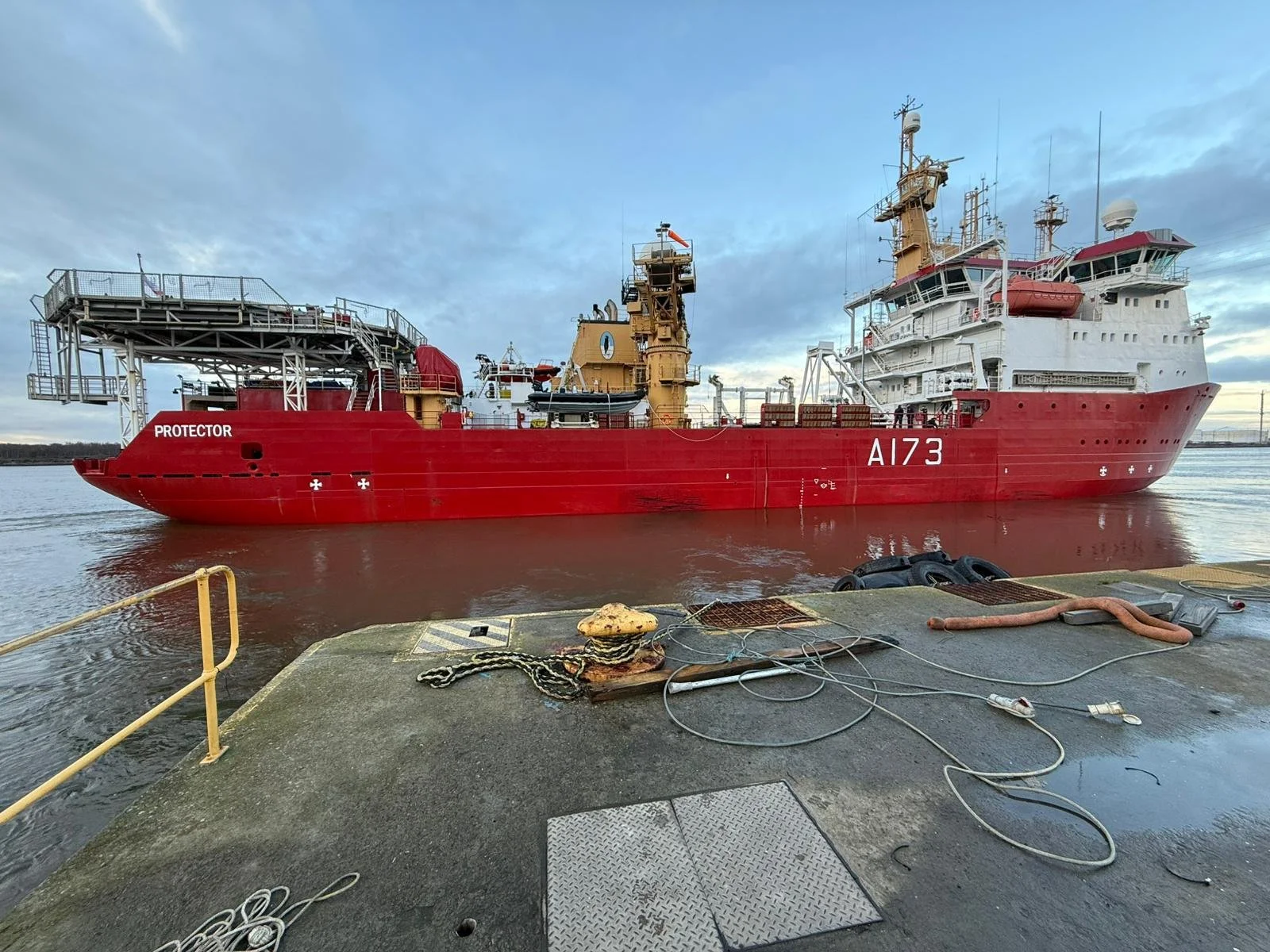
Steady as she goes.. HMS Protector leaves UK Docks Marine Services Teesside and prepares to return to sea.

And as she set sail, the ship’s commanding officer, Captain Tom Weaver, AFNI OBE RN, praised the quality of the work and the level of collaboration between UK Docks and the crew, which ensured the vessel returned to sea in the best possible condition.

Captain Weaver said:  “As we sail from the Tees, following our five-yearly docking and maintenance period, I would like to thank UK Docks Marine Services for their hard work and support in working alongside the ship's company to return HMS Protector to sea. 

“We've achieved a great deal in the last few months and are now ready to commence trials and training ahead of recommencing operations as the Royal Navy's ice patrol ship.”

HMS Protector has been a regular visitor to UK Docks’ Teesside facility in recent years, following the company's 2019 contract to service the vessel.

But the most recent stay has been a long one as the five-year refit with upgrades marked a major boost to the ice patrol ship, which was launched in Norway in 2001.

After leaving Teesside, HMS Protector returned to her home port of Devonport on the south coast for trials ahead of deployment.

As the Royal Navy’s only icebreaker, HMS Protector is also one of the most active vessels in the fleet, spending, on average, 330 days a year patrolling the waters of Antarctica and the southern hemisphere.

The 292ft long, 5,000-ton vessel, which has its own helicopter pad, is primarily used to support scientific and survey research but has also provided fishery patrols and humanitarian and community assistance.

UK Docks managing director, Jonathan Wilson, said: “It’s always a pleasure and a privilege to welcome HMS Protector to Teesside and the team were pleased to be involved in such a thorough overhaul of the vessel.

“The work will ensure HMS Protector is in prime condition to continue her important work for the Royal Navy in frequently challenging environmental conditions.”